Worker confidence doesn’t appear on safety checklists, yet it fundamentally affects how safely and productively your crews operate. When workers trust their equipment, their work environment, and their employer’s commitment to their wellbeing, they perform better and make safer decisions. Construction mats contribute to this confidence in ways that extend well beyond their immediate function of supporting equipment and creating stable surfaces.
Understanding the Confidence Challenge in Construction
Construction work inherently involves risks that workers must manage daily. Heavy equipment, elevated work, challenging weather, and unpredictable site conditions create environments where mistakes can have serious consequences. In these high-stakes settings, worker confidence—or its absence—significantly impacts safety outcomes and operational effectiveness.
Unpredictable terrain creates one of construction’s most persistent challenges. Pipeline and T&D projects cross diverse landscapes, from stable rocky areas to treacherous marshlands. Each terrain type presents unique hazards that workers must navigate while performing demanding physical and technical work. The uncertainty about whether ground will support equipment or whether surfaces will remain stable creates underlying anxiety that affects how workers approach their tasks.
Safety concerns multiply when workers operate in remote locations with limited access for emergency response. The knowledge that help might be minutes or even hours away if something goes wrong weighs on workers’ minds, particularly when performing high-risk tasks. This awareness can make workers hesitant, slowing operations and potentially making them more prone to errors as they overthink routine actions.
Accessibility issues compound these concerns. When workers see equipment struggling to reach work areas, when they watch vehicles get stuck in mud, or when they personally struggle to traverse site terrain safely, they lose confidence in the overall site management and safety provisions. These visible problems signal to workers that the site isn’t properly prepared for the work being demanded.
Environmental conditions that change day-to-day create additional uncertainty. Ground that’s firm one day becomes impassable after rain. Routes that work in summer become unusable in winter. This variability makes it difficult for workers to develop the confident familiarity with site conditions that comes from stable, predictable work environments.
Creating Stable Work Surfaces That Build Trust
Construction mats address confidence issues through the tangible, visible stability they provide. When workers see comprehensive mat deployment creating stable surfaces throughout a site, they recognize that someone has thought carefully about their safety and working conditions. This recognition builds trust that extends beyond just ground stability.
The level, consistent surfaces construction mats create eliminate a major category of workplace hazards. Uneven ground that causes workers to constantly watch their footing, adjust their balance, and worry about stumbling disappears when mats cover work areas. Workers can move through sites with the natural confidence that comes from secure footing, allowing them to focus their attention on their actual work rather than on navigating hazardous terrain.
For equipment operators, stable platforms transform working conditions. Operating heavy machinery on questionable ground demands constant vigilance and adjustment. Operators working from stable mat platforms can concentrate fully on their tasks—making precise movements, watching for hazards around their equipment, and maintaining awareness of other workers. This complete focus improves both safety and productivity while reducing the mental fatigue that comes from constant compensation for unstable positioning.
The visible security mats provide affects workers psychologically. Seeing that your employer has invested in creating stable, safe working surfaces sends a powerful message about priorities and values. Workers interpret this investment as evidence that management cares about their wellbeing, not just about project completion. This perception strengthens loyalty, improves morale, and makes workers more receptive to other safety initiatives.
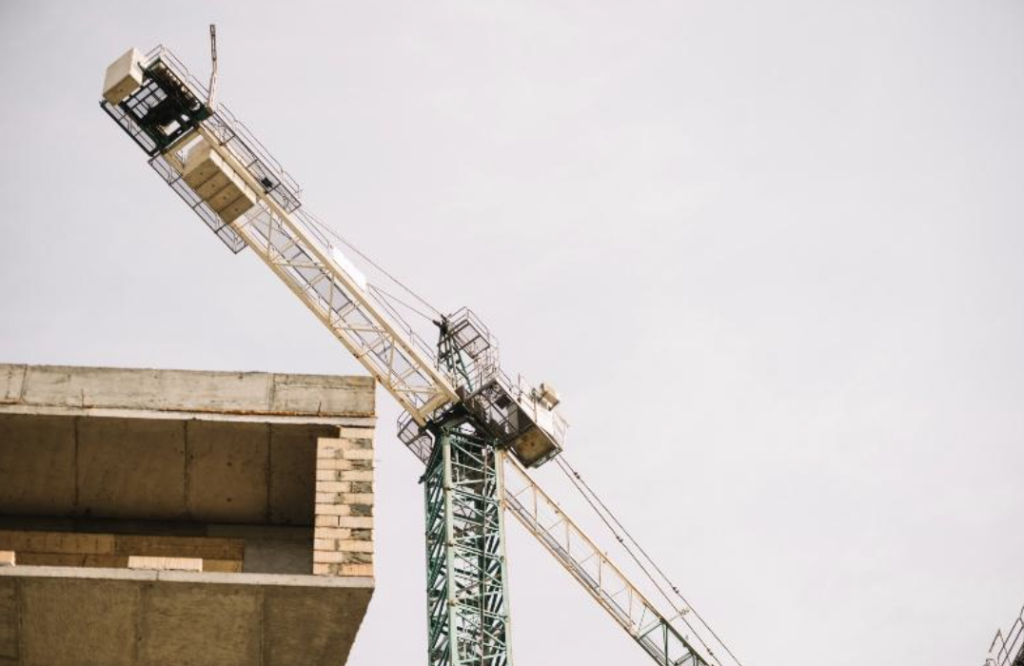
Ground workers walking around crane operations, working near heavy equipment, or performing tasks on foot throughout sites benefit from mat stability in ways that directly affect their confidence. When you’re working near machinery that could cause serious injury if something goes wrong, knowing that the ground beneath that equipment is stable reduces one significant concern. Workers near properly supported equipment can focus on their own tasks and situational awareness rather than worrying whether nearby machinery might suddenly tip or shift.
Improving Equipment Safety and Operator Peace of Mind
Heavy machinery operation presents inherent risks that skilled operators manage through training, experience, and proper equipment. However, even skilled operators can’t overcome poor ground conditions through expertise alone. When equipment operates on inadequate surfaces, operators face elevated stress and reduced confidence regardless of their skill level.
Construction mats create the foundation conditions that allow operators to work with confidence. Equipment that won’t unexpectedly sink, lean, or shift allows operators to perform precise work safely. Crane operators can focus on load control rather than equipment stability. Excavator operators can position their machines exactly where needed without worrying about ground giving way. This operational freedom makes skilled operators more effective while reducing the errors that occur when operators work under constant uncertainty.
The stability benefit becomes particularly important for lifting operations. Moving heavy loads through the air demands complete operator attention and precision. Operators who must simultaneously manage load control and compensate for unstable equipment positioning face divided attention that increases incident risk. Stable platforms eliminate this divided attention problem, allowing operators to concentrate fully on safe load handling.
Newer or less experienced operators benefit especially from the confidence stable surfaces provide. When learning to operate heavy equipment, workers already face substantial cognitive load mastering controls, developing spatial awareness, and building operational judgment. Adding ground instability concerns to this learning challenge can overwhelm new operators, slowing their development and increasing training period risks. Stable mat surfaces simplify the learning environment, allowing new operators to develop skills more quickly and safely.
The reduced stress operators experience when working from stable platforms affects long-term retention and job satisfaction. Equipment operators who constantly battle poor ground conditions experience fatigue that extends beyond physical tiredness into mental exhaustion. This stress contributes to burnout and drives experienced operators to seek employment where they can work under better conditions. By providing proper ground support, you help retain skilled operators who might otherwise leave for less stressful environments.
Demonstrating Commitment Through Visible Investment
The psychological impact of construction mats extends beyond their immediate functional benefits. Their presence signals organizational priorities and values in ways that influence how workers perceive their employer and their work environment.
Visible safety infrastructure communicates priorities more effectively than policy statements or training sessions. When workers arrive at a site and see comprehensive mat systems already in place, they immediately understand that someone planned for their safety before work began. This proactive preparation demonstrates the kind of thoughtful safety management that builds worker confidence in overall site leadership.
The financial investment construction mats represent isn’t lost on workers. Crews recognize that proper matting systems cost substantial money to rent, transport, and install. This visible spending on safety infrastructure demonstrates that safety isn’t just important when it’s convenient or cheap—it’s important enough to allocate significant project resources toward it. This willingness to invest in safety strengthens workers’ belief that management genuinely prioritizes their wellbeing.
Construction mats also represent practical rather than symbolic safety measures. Workers can be skeptical of safety initiatives that seem more about appearances or compliance checking than actual protection. Construction mats provide obvious, functional benefits that workers experience directly every day. This practicality makes the safety investment credible in ways that strengthen overall safety culture.
The consistency of mat deployment matters for building confidence. When sites uniformly provide proper ground support rather than having it appear sporadically or only in certain areas, workers recognize systematic safety management rather than reactive responses to visible problems. This consistency reinforces that safety is integrated into planning and operations, not just addressed when issues become unavoidable.
Supporting Emergency Response Readiness
Worker confidence includes knowing that help will arrive quickly if something goes wrong. Construction mats contribute to this confidence through the improved emergency access they provide.
Emergency response speed directly affects injury outcomes. Workers know that serious injuries require rapid medical intervention, and that delays can mean the difference between full recovery and permanent disability or worse. Sites with reliable emergency access routes provide psychological security beyond just the physical access improvements.
When workers see that emergency vehicles can reach any site location quickly, they work with greater peace of mind. This doesn’t mean they work carelessly—rather, they work without the underlying anxiety that comes from knowing help might be unable to reach them if needed. This reduced anxiety improves focus and decision-making throughout the workday.
The visibility of mat-created access routes reinforces emergency preparedness. Workers can see the pathways emergency vehicles would use, making emergency procedures more concrete and credible than abstract plans or verbal assurances. This tangible evidence of emergency readiness strengthens confidence in overall site safety management.
Fire safety particularly benefits from visible emergency access. Workers understand that construction sites contain numerous fire risks and that rapid fire response prevents small problems from becoming catastrophes. Seeing stable access routes that firefighting equipment can use provides assurance that fire risks are manageable rather than potentially overwhelming.
Enhancing Overall Site Conditions and Morale
The cumulative effects of construction mats on site conditions influence worker morale and confidence in ways that extend throughout projects.
Reduced delays from weather and ground conditions keep projects on schedule without the rushed work that creates safety risks. Workers appreciate working for companies that maintain schedule adherence without sacrificing safety for speed. This demonstrates effective management that balances multiple priorities rather than simplistic thinking that treats safety and schedule as competing concerns.
The efficiency gains construction mats enable translate into more predictable work schedules and fewer last-minute changes. Workers value stability in their work schedules, and the operational reliability mats support contributes to this schedule predictability. Knowing they can rely on consistent work schedules strengthens worker loyalty and reduces the stress that comes from unpredictable hours.
Physical working conditions affect how workers feel about their jobs and their employer. Sites that provide stable surfaces, reliable access, and proper equipment support are simply more pleasant to work on than sites where workers constantly battle poor conditions. This improved working environment contributes to job satisfaction that affects retention, recruitment, and overall team cohesion.
The professional reputation that comes from working for safety-conscious companies matters to skilled workers. Construction professionals take pride in their work and want to be associated with companies known for doing things properly. Comprehensive safety measures like proper mat deployment contribute to this professional reputation, making workers proud to be part of the team.
Selecting Appropriate Mat Solutions
The confidence benefits construction mats provide depend on choosing appropriate solutions for your specific project requirements. Understanding key selection factors helps ensure mats effectively support both operational and psychological needs.
Material durability affects how well mats maintain performance throughout projects. Mats that degrade quickly or fail under normal use undermine confidence rather than building it. Select mats engineered from materials appropriate for your expected conditions and usage intensity. Both quality timber and engineered composite materials can provide reliable performance when properly specified.
Size and thickness must match your equipment weight and ground conditions. Undersized or inadequately thick mats that fail under load destroy worker confidence in safety provisions. Work with knowledgeable rental providers to ensure mat specifications suit your actual equipment and site requirements rather than selecting mats based solely on cost considerations.
Environmental appropriateness matters for projects crossing sensitive areas. Workers appreciate working for companies that take environmental responsibilities seriously. Choosing mats that minimize ecological impact—whether through protective capabilities or sustainable materials—demonstrates values that resonate with workers who care about their broader impact.
The rental approach provides flexibility that supports worker confidence through adaptability. When projects can adjust mat quantities or types as conditions dictate, workers see responsive management rather than rigid adherence to inadequate plans. This flexibility demonstrates the kind of practical problem-solving that builds confidence in site leadership.