
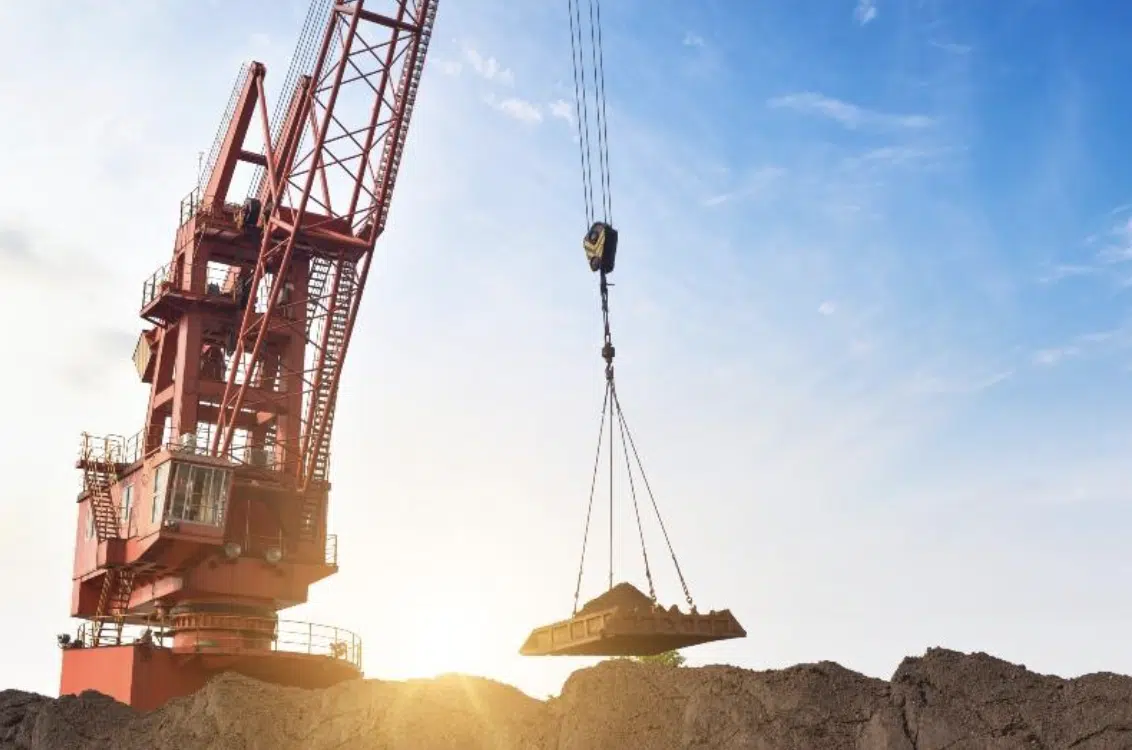
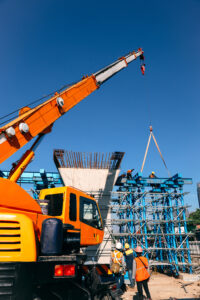
Site safety in pipeline and transmission & distribution construction isn’t just about protective equipment and safety procedures—it starts with the ground beneath your equipment. When cranes and other heavy machinery operate on unstable or uneven surfaces, you’re building risks into every lift, every move, and every workday. Quality crane mats address these foundational safety concerns by creating stable platforms that support safe, efficient operations even in challenging conditions.
For construction contractors, project managers, and safety officers working on pipeline and T&D projects, crane mat solutions represent more than ground protection. They’re essential safety infrastructure that prevents accidents, protects workers, and demonstrates your commitment to creating secure worksites. Understanding how quality crane mats contribute to site security helps you make informed decisions about this critical equipment.
Creating Foundational Stability
The physical stability of your construction site determines whether operations proceed safely or whether you’re constantly managing elevated risks. When you’re lifting materials high into the air or moving heavy loads across terrain, ground stability becomes the crucial factor separating safe operations from potential disasters. Crane mats establish firm, stable bases that prevent heavy machinery from settling unevenly or sinking into soft ground—movements that can lead to catastrophic equipment failures.
Construction sites present incredibly varied ground conditions. You might encounter hard, rocky surfaces in one area and soft, wet ground just meters away. Without proper weight distribution, machinery risks sinking unevenly into softer areas, affecting balance and potentially causing equipment to tip or shift unexpectedly. These instabilities don’t just threaten equipment—they endanger everyone working nearby.
Quality crane mats solve this problem by spreading the immense weight and pressure from heavy machinery across wider surface areas. Instead of concentrating all that weight on the equipment’s footprint alone, the mat distributes it evenly across its full dimensions. This distribution prevents point loading that causes uneven settling and maintains stable, level surfaces even on ground that couldn’t otherwise support such concentrated weight.
The protective effect extends beyond just the machinery. By maintaining surface integrity underneath, crane mats prevent the kind of ground damage that could lead to erosion or other environmental disturbances. This protection reduces your potential liability for ground damage and minimizes the restoration work required after project completion.
When machinery operates from stable platforms, you effectively eliminate a major category of accident risks. Equipment that stays level and secure allows operators to focus entirely on their work rather than constantly compensating for unstable ground. This stability translates directly into safer operations across your entire site.
Understanding How Crane Mat Solutions Provide Equipment Stability
Crane mats aren’t simply thick planks of wood—they’re specifically engineered to provide the structural support heavy construction equipment demands. Their design and construction directly impact how well they perform this critical safety function.
Material strength forms the foundation of crane mat performance. Dense hardwoods like oak provide exceptional compressive strength, capable of withstanding enormous pressure without breaking or deforming. These mats must handle the massive forces that cranes and other heavy equipment exert during normal operations.
The structure of crane mats enables even weight distribution, which becomes critical when dealing with equipment exerting significant pressure on concentrated areas. A well-designed crane mat spreads this pressure across its entire surface area, dramatically reducing the pressure on any single point of ground beneath it. This distribution prevents ground collapse and equipment settling even on soft or unstable terrain.
Engineering specifications for crane mats account for the unique requirements construction sites present. Manufacturers consider factors like mat thickness, overall dimensions, and interlocking features when designing mats for different applications. These engineering decisions ensure mats create continuous, stable platforms rather than just individual support.
The adaptability of quality crane mats to various terrains represents another important design consideration. Construction sites rarely offer perfectly level, uniformly stable ground. Crane mats need to perform whether they’re placed on muddy wetlands, sandy soil, loose earth, or rocky surfaces. Their ability to create stable working platforms across this range of conditions makes them indispensable for sites with varied topography.
Preventing Accidents Through Proper Ground Support
The consequences of operating heavy equipment without adequate ground support extend well beyond equipment damage. Safety incidents involving unstable machinery can result in serious injuries or fatalities, making proper ground support a fundamental safety requirement rather than an optional enhancement.
Machinery accidents increase dramatically when equipment operates on inadequate surfaces. Heavy machinery can shift unexpectedly, sink into soft ground, or tip when settling occurs unevenly. These movements create immediate dangers for operators and any workers nearby. A crane that shifts mid-lift poses catastrophic risks, potentially dropping loads or toppling entirely.
Ground instability and collapses present another serious hazard. When crane mats aren’t used, concentrated equipment weight can cause ground to give way beneath machinery. These collapses can swallow equipment or create dangerous conditions that trap or injure workers. The costs in human terms can be devastating, while the financial impacts include equipment damage, project delays, and potential litigation.
Uneven working surfaces create hazardous conditions even for workers not directly operating heavy equipment. Tripping hazards multiply and navigating the site safely becomes more difficult. Slips, trips, and falls represent some of construction’s most common injury types, and unstable ground conditions exacerbate these risks significantly.
Crane mats help to address these safety concerns proactively. By providing stable, level surfaces from the start, they assist in preventing the ground conditions that lead to accidents. This proactive approach aligns with best practices in safety management, identifying potential hazards before they cause incidents and taking action to eliminate those risks.
Emergency response capabilities benefit substantially from crane mats as well. If an incident does occur, emergency vehicles need rapid access to affected areas. The stable roadways crane mats create enable emergency responders to reach incident sites quickly without worrying about their vehicles getting stuck or creating additional hazards. This improved response capacity can make critical differences in emergency outcomes.
Building Worker Confidence Through Visible Safety Investments
Site safety extends beyond physical protection to include psychological factors that affect how workers approach their jobs. When workers feel secure in their environment, they perform better, focus more effectively, and contribute to positive safety culture. Quality crane mats contribute to this psychological safety in ways that impact your entire operation.
Workers notice when companies invest in proper safety infrastructure. Seeing crane mats deployed as standard practice signals that management takes safety seriously enough to commit resources to it. This visible investment reinforces safety messages and demonstrates that safety isn’t just talk, it’s backed by meaningful action.
The confidence workers gain from operating in properly supported environments translates into better performance. Operators who trust their equipment won’t unexpectedly shift or sink can concentrate fully on their tasks. Ground workers who know the surface beneath their feet is stable can move about the site without constant wariness about ground conditions.
This enhanced confidence tends to strengthen overall safety culture. When workers see their employer prioritizing safety through investments like crane mats, they typically respond by taking safety protocols more seriously themselves. Safety becomes a shared value rather than just a compliance requirement, improving outcomes across all aspects of site operations.
Morale benefits follow from this improved safety environment. Workers appreciate working for employers who value their wellbeing enough to invest in proper safety equipment. This appreciation can improve retention, reduce turnover, and make it easier to recruit skilled workers who have choices about where they work.
Regulatory Compliance and Risk Management
Operating construction sites requires navigating complex safety regulations designed to protect workers and the public. These regulations carry teeth—non-compliance can result in heavy fines, work stoppages, and legal action that threatens project viability and company reputation. Crane mats help you maintain compliance with safety standards while demonstrating your commitment to responsible operations.
Occupational safety regulations establish minimum standards for construction site conditions, including requirements for stable working surfaces and equipment support. By incorporating crane mats into your planning and operations, you address these requirements proactively. This proactive compliance reduces your risk of regulatory violations and demonstrates due diligence in protecting workers’ safety.
The liability protection proper crane mats provide extends beyond regulatory compliance. In the event of an incident, evidence that you used appropriate safety equipment and followed industry best practices significantly strengthens your legal position. Conversely, failing to use proper ground support when incidents occur can expose you to claims of negligence that threaten substantial financial penalties.
Insurance considerations factor into crane mat decisions as well. Insurers increasingly evaluate safety practices when underwriting construction operations and setting premiums. Demonstrated commitment to safety through proper equipment use can positively influence your insurance costs and coverage terms. Some insurers explicitly require specific safety equipment for certain types of operations.
Reputation protection represents another aspect of risk management. Construction companies depend on their safety records to win future contracts and maintain client relationships. A serious safety incident can damage reputation for years, affecting your ability to compete for desirable projects. The relatively modest investment in quality crane mats provides substantial protection for this valuable reputational asset.
Selecting the Right Crane Mat Provider
The benefits crane mats provide depend substantially on mat quality and proper specification for your specific requirements. Working with a reputable provider ensures you get mats engineered for your loads, delivered when needed, and supported throughout your project.
Look for providers with established track records in the construction industry. Experience matters when determining appropriate mat specifications, calculating load requirements, and troubleshooting unexpected site conditions. Providers who’ve worked extensively with pipeline and T&D projects understand the unique challenges these applications present.
Mat variety in provider inventory indicates capability to match solutions to your specific needs. Different projects require different mat types, sizes, and load ratings. Providers offering diverse options can supply exactly what your project requires rather than forcing you to adapt your operations to available equipment.
Logistical capability separates excellent providers from adequate ones. Crane mats do no good sitting in a yard when you need them on site. Providers should handle delivery and pickup reliably, meeting your schedule requirements without creating delays. Geographic coverage matters especially if you work across wide regions or in remote areas.
Technical support and consultation services add value beyond just supplying mats. Quality providers help you determine appropriate mat specifications for your equipment and site conditions. They can recommend configurations that provide necessary support while minimizing costs, and they troubleshoot issues when site conditions turn out different than planned.
Planning Crane Mat Integration from Project Start
The most effective crane mat deployments result from incorporating them into project planning from the beginning rather than treating them as afterthoughts. Early planning allows you to optimize mat use, anticipate site requirements, and avoid delays caused by inadequate ground support.
During project planning stages, evaluate site conditions carefully. Consider soil types, drainage patterns, and how weather might affect ground stability. Identify areas where heavy equipment will operate and determine what support those operations require. This early assessment lets you specify appropriate mat types and quantities before operations begin.
Coordinate crane mat requirements with your overall site logistics. Plan equipment access routes, staging areas, and work zones with mat placement in mind. Integrating crane mats into site layout planning ensures they enhance rather than complicate your operations.
Budget for crane mats as essential project infrastructure rather than discretionary expenses. Include rental costs, delivery fees, and installation requirements in project budgets from the start. This budgeting prevents situations where mat needs are identified but funds aren’t available to address them properly.
Schedule mat delivery to align with when you’ll need them. Mats arriving too early may require storage, while late arrivals can delay operations. Coordinate with your provider to ensure mats arrive just as site preparation completes, allowing immediate deployment when operations begin.


