
When you’re managing a pipeline project, everyday counts—and so does every piece of equipment you can keep moving. Construction mats have become essential tools for keeping pipeline operations running smoothly, whether you’re working in remote wetlands, crossing soft soils, or dealing with terrain that changes with every rainstorm.
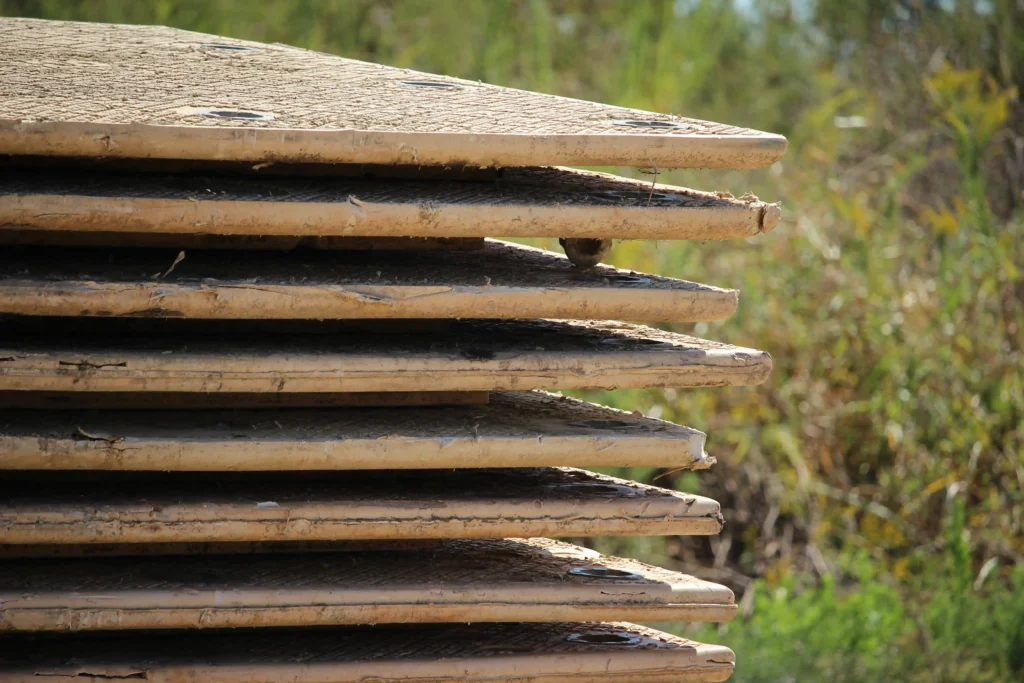
These mats, crafted from durable materials like timber, composite materials, or heavy-duty plastics, do more than just create temporary roads. They establish stable work platforms and secure foundations for heavy machinery, transforming challenging terrain into productive worksites. For pipeline contractors looking to maintain momentum despite difficult conditions, construction mats represent a practical solution that addresses multiple operational challenges at once.
Creating Access Where There Wasn’t Any
Pipeline routes rarely follow convenient paths. You might find your crew needing to reach areas across marshlands, through forests with soft soil, or over terrain that becomes impassable after rain. Without proper ground support, these conditions can halt operations entirely.
Construction mats solve this by distributing the weight of transport vehicles and equipment across a wider surface area, effectively creating solid roadways where the ground alone wouldn’t support your machinery. This weight distribution protects both your equipment and the underlying terrain, preventing the kind of deep rutting that can sideline equipment and require expensive remediation later.
The versatility of these mats makes them particularly valuable. Hardwood timber mats excel when you need maximum rigidity and support, while composite mats offer lighter, interlocking stability that works well on softer soils. Each type serves specific site conditions, giving you options to match your exact needs rather than trying to force one solution across all scenarios.
What makes construction mats especially practical for pipeline work is how quickly they can transform a site. Areas that would normally require days or weeks of preparation can become accessible within hours. Your crew can lay down mats and immediately begin moving equipment, rather than waiting for extensive ground preparation or dealing with the limitations of impassable terrain.
This improved access creates benefits throughout your operation. Material deliveries arrive on schedule instead of getting stuck in route. Crew rotations happen smoothly without weather-related delays. If an emergency occurs, response vehicles can reach any part of your site quickly and safely. The reliable access mats provide translate into better coordination across all aspects of your project.
Keeping Safety at the Forefront
Safety concerns multiply when you’re operating heavy machinery on unstable ground. Equipment that shifts unexpectedly, vehicles that sink into soft soil, machinery that tips due to uneven surfaces—these aren’t just operational problems, they’re serious safety hazards that can result in injuries and equipment damage.
Construction mats help to address these risks by creating stable platforms for all your equipment operations. The mats distribute weight evenly, preventing the kind of uneven settling that causes machinery to become unstable. This stability is particularly crucial for cranes and other lifting equipment, where even slight imbalances can create dangerous situations.
For equipment operators, working on stable ground makes a substantial difference. When operators know their equipment won’t unexpectedly sink or tip, they can focus entirely on their work rather than constantly worrying about ground conditions. This confidence translates into more efficient operations and fewer close calls that could escalate into incidents.
The interlocking design of composite mats adds another layer of stability. Rather than having individual mats that might shift independently, interlocking systems create a unified surface that maintains its integrity even under heavy traffic. This continuity prevents gaps from opening up between mats—gaps that could catch equipment tracks or trip workers.
Emergency response capabilities improve dramatically with construction mats in place. When you need to get emergency vehicles to any part of your site quickly, having stable roadways already established makes all the difference. Response times drop when emergency crews don’t have to navigate around impassable areas or worry about their vehicles getting stuck.
Companies that use construction mats demonstrate their commitment to safety in a visible, tangible way. When workers see their employer investing in proper site infrastructure, it reinforces that safety isn’t just talk, it’s backed by real resources and planning. This visible commitment typically strengthens overall safety culture across the worksite.
Making Projects More Cost-Effective
Budget considerations drive many decisions in pipeline work, and construction mats offer cost benefits that extend well beyond their rental fees. The financial advantages come from multiple sources, starting with the rental model itself.
Renting construction mats eliminates the large capital expenditure of purchasing them outright. Instead of tying up funds in assets you’ll only use occasionally, rental lets you deploy mats exactly when and where you need them. This flexibility proves especially valuable for contractors who work on different types of projects throughout the year, since you’re not locked into owning one specific type or quantity of mats.
Rental also shifts maintenance and storage responsibilities to the rental provider. You don’t need to maintain storage yards, handle transportation between projects, or manage repairs when mats get damaged. These operational expenses add up quickly for companies that own their mats, but rental agreements typically include delivery, pickup, and maintenance as part of the service.
The mats themselves prevent costs that might not be immediately obvious. By protecting the ground from heavy equipment damage, they can reduce or sometimes eliminate the need for expensive environmental remediation after your project concludes. In environmentally sensitive areas, avoiding this remediation can represent substantial savings, particularly where restoration requirements are strict and costly.
Site preparation costs drop when you use construction mats. Instead of spending time and labor on extensive ground preparation—grading, adding aggregate, or other surface improvements—crews can simply lay down mats and begin operations. The time saved translates directly into reduced labor costs and faster project mobilization.
Construction mats also help protect your equipment from the kind of excessive wear that comes with operating on poor surfaces. Equipment that doesn’t have to struggle through mud or over uneven ground experiences less strain, which means fewer maintenance issues and longer equipment life. While this benefit accumulates over time rather than appearing immediately, it represents real cost savings in your overall equipment program.
Weather-related delays carry significant costs, both in terms of direct expenses and potential contract penalties. Construction mats reduce these weather-driven delays by maintaining accessible routes even in wet conditions. Ground that would become impassable during rain remains usable when covered with mats, keeping your project moving forward when competitors without mats might be shut down.
For contractors working on multiple projects, seasonal use patterns make rental particularly economical. You might need large quantities of mats during busy seasons but none during slower periods. Rental lets you adjust your mat usage to match actual demand, paying only for what you use rather than maintaining an inventory sized for peak demand year-round.